My Inquiry
 About us
 BOM
BOM

The Unsung Heroes of Technological Progress
In the intricate world of modern technology, two often - overlooked yet highly significant advancements are quietly shaping the future: in - memory computing and micro energy harvesters. These technologies, although not as widely known as some others, are revolutionizing the way we process information and power our devices.
In - memory computing represents a fundamental shift from the traditional von Neumann architecture, where data storage and processing occur in separate units, leading to a significant bottleneck known as the "memory wall." In - memory computing integrates the storage and processing functions, allowing data to be processed directly within the memory cells. This eliminates the need for constant data transfer between the memory and the processor, reducing latency and energy consumption.
One of the most promising applications of in - memory computing is in the field of artificial intelligence and machine learning. Training large neural networks requires vast amounts of data to be constantly shuttled between memory and the processing unit, consuming a significant amount of time and energy. With in - memory computing, neural network training can be accelerated by orders of magnitude. For example, in image recognition tasks, the ability to process data directly in memory enables faster feature extraction and pattern recognition, improving the overall performance of the AI system. Additionally, in - memory computing can be applied in edge computing devices. These devices, which operate close to the data source, often have limited power and processing capabilities. In - memory computing helps them perform complex computations more efficiently, reducing the need to send data to a remote cloud server for processing.
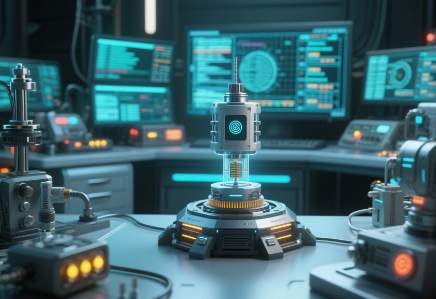
However, in - memory computing is not without its challenges. Developing reliable and efficient in - memory computing architectures requires new materials and fabrication techniques. Ensuring data integrity during the processing within the memory cells and managing heat dissipation are also significant hurdles that researchers are actively working to overcome.
Micro energy harvesters, on the other hand, are devices that convert ambient energy sources, such as light, heat, vibration, or radio frequency signals, into electrical energy. These tiny yet powerful devices offer a sustainable and self - sufficient way to power low - power electronic devices. For instance, in the Internet of Things (IoT) ecosystem, where millions of small sensors are deployed in various environments, micro energy harvesters can provide a continuous power supply. A light - harvesting micro energy harvester can power a solar - powered sensor in a smart garden, which monitors soil moisture, temperature, and light levels. Similarly, vibration - based micro energy harvesters can be integrated into transportation systems, converting the mechanical energy from vehicle vibrations into electricity to power onboard sensors and communication devices.
Another area where micro energy harvesters are making an impact is in medical implants. Implanted medical devices, such as pacemakers, often require battery replacements through invasive surgeries. Micro energy harvesters that can harvest energy from the body's natural movements or heat could potentially eliminate the need for such surgeries, offering a more convenient and less risky solution for patients.
Despite their potential, micro energy harvesters face challenges in terms of energy conversion efficiency and scalability. Most micro energy harvesters currently have relatively low conversion efficiencies, meaning they can only generate a limited amount of power from ambient sources. Additionally, scaling up the production of these devices while maintaining their performance and cost - effectiveness remains a significant challenge for the industry.
As research efforts in in - memory computing and micro energy harvesters continue to progress, these technologies are expected to play an increasingly important role in the future. They hold the key to more energy - efficient, powerful, and sustainable technological solutions, driving the next wave of innovation in various industries.
Related information
- 2025.01.15 Pushing the Boundaries of Innovation
- 2025.01.15 Pioneering New Horizons
- 2025.01.15 Unleashing Unprecedented Potential

- 4,000+ Daily Average RFQ

- 12,000,000+ SKUs

- 2,900+ Worldwide Manufacturers

- 9,000+ ㎡ In-stock Warehouse